
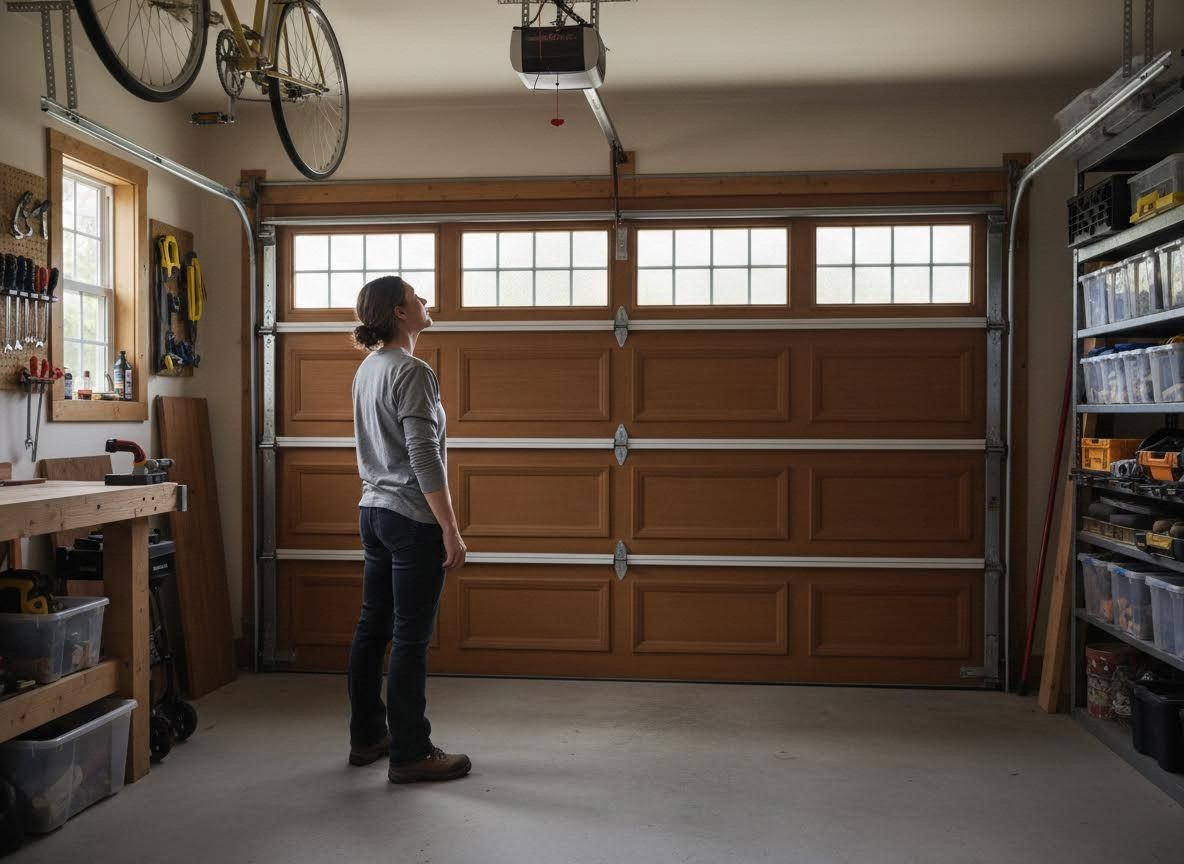
Garage door springs are unsung heroes, constantly working under immense tension to safely lift and lower your garage door. Over time, like any mechanical component, they can wear out, and a failing spring can be both inconvenient and extremely dangerous. Recognizing the early warning signs can help you prevent an unexpected emergency and ensure the smooth operation of your home's main entry point. At CGD, we believe in empowering homeowners with knowledge to keep their properties safe and functional.
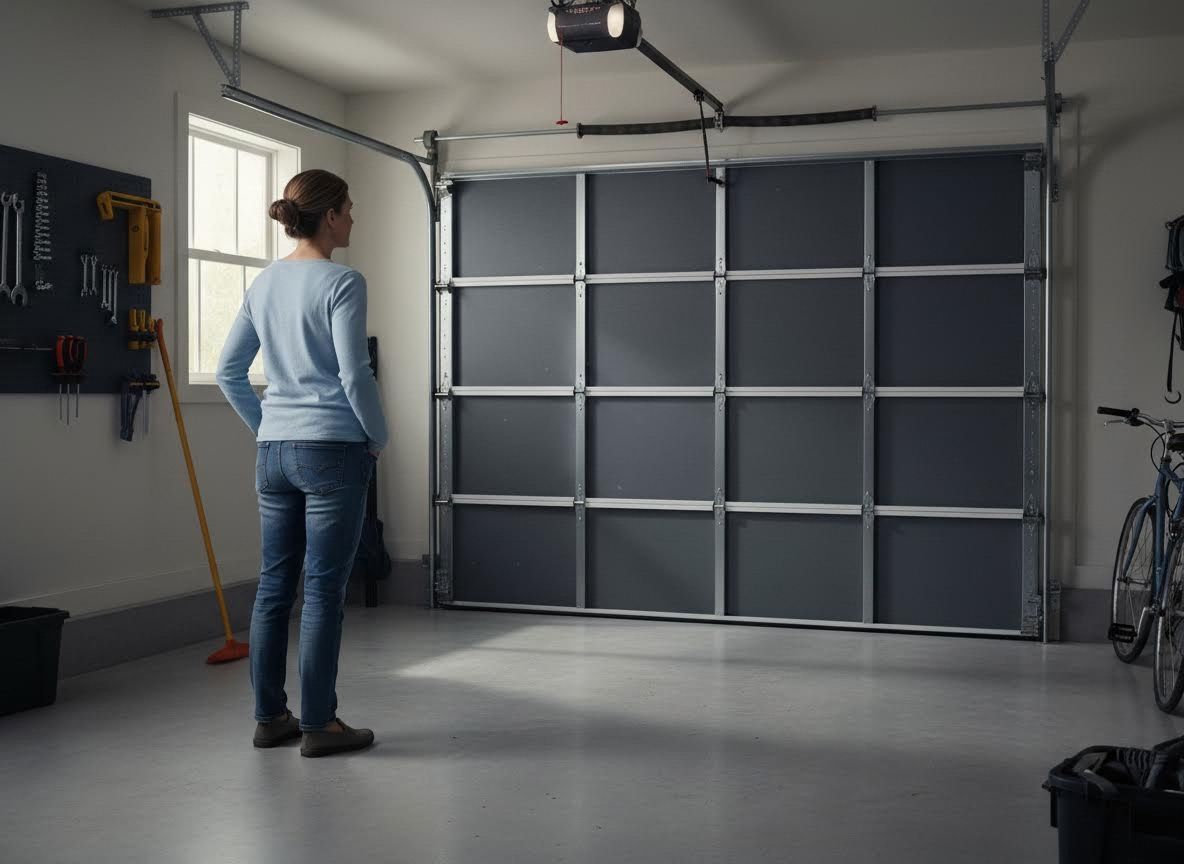
Visible Wear and Tear or Gaps
One of the clearest indicators that your garage door springs are nearing the end of their lifespan is visible wear and tear. Take a moment to inspect your springs, looking for any signs of rust, corrosion, or most critically, gaps between the coils. These gaps indicate that the spring has started to stretch or separate, reducing its ability to bear the door's weight. A rust-covered spring is also a weakened spring, more susceptible to snapping under pressure. Early detection of these visual cues can be crucial in preventing a sudden failure.
Uneven Movement or Loud Noises
Does your garage door move with a noticeable jerk, or does it seem to struggle on one side when opening or closing? Uneven movement is a strong sign that one or both of your springs are losing tension or are already broken. Alongside this, listen for unusual sounds. While a sudden, loud snap is the definitive sound of a broken spring, grinding, squealing, or loud creaking noises during operation can also point to a spring that is stressed and deteriorating. If your door sounds like it is complaining more than usual, it is often a cry for help from its springs.
The Door Feels Heavier or Won't Stay Open
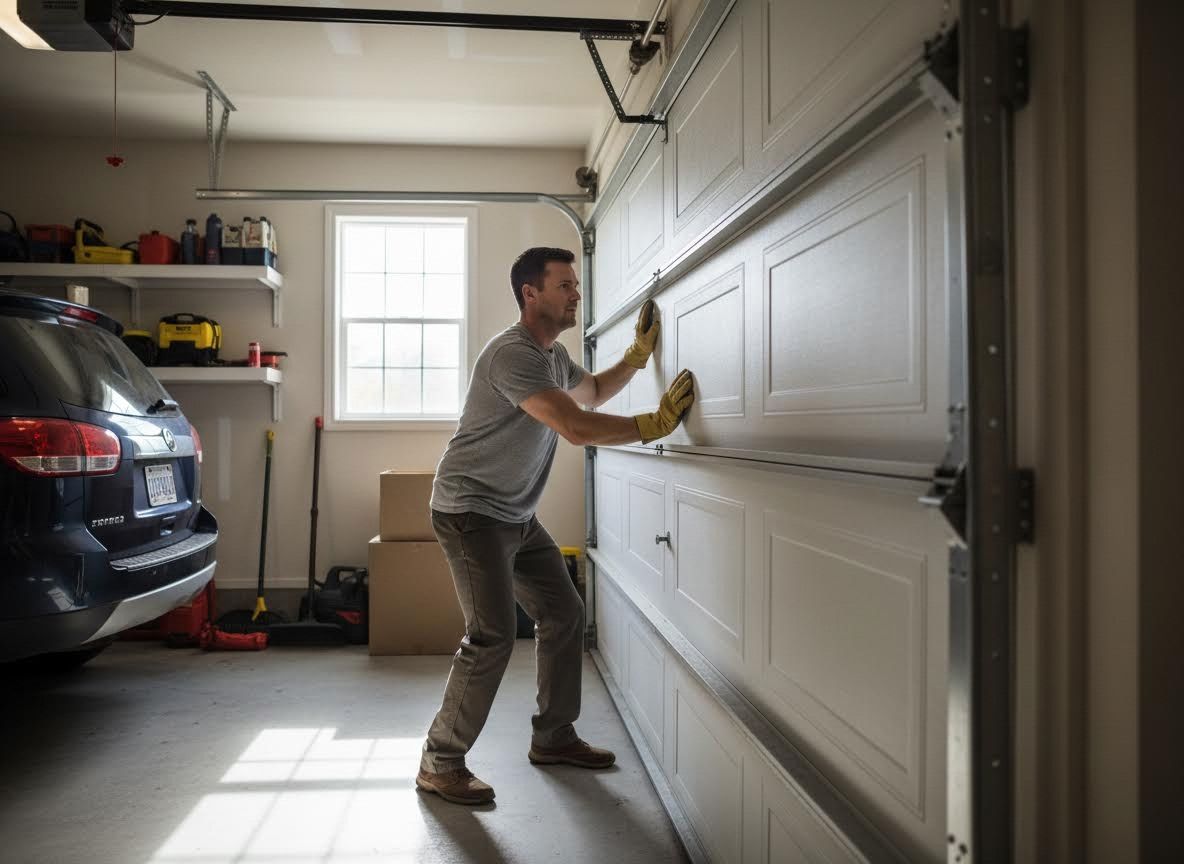
Garage door springs are designed to counterbalance the entire weight of your garage door, making it feel lightweight and easy to operate. If you attempt to lift your door manually and it feels significantly heavier than usual, or if the door starts to sag or won't stay fully open when disengaged from the opener, your springs are almost certainly failing. This loss of counterbalance means the springs are no longer providing the necessary support, putting immense strain on your opener and posing a significant safety risk.
Why Professional Intervention is Crucial
Attempting to replace or repair garage door springs yourself is incredibly dangerous and should never be undertaken without specialized training and tools. These springs are under extreme tension, and mishandling them can lead to severe injuries, including lacerations, broken bones, or worse. Professionals like those at CGD have the expertise and equipment to safely handle the high tension involved in garage door spring replacement. If you need emergency garage door repair in Dumas, Texas or a residential spring replacement, trusting an experienced technician ensures the job is done safely and correctly, preventing further damage and ensuring the longevity of your system. Even for specialized needs like agricultural garage door service or when considering a custom garage door, the same safety principles apply. For issues requiring immediate attention, professional same-day garage door repair can address your needs promptly and securely.
Identifying the signs of a failing garage door spring is vital for your safety and convenience, but addressing the issue demands professional expertise. The extreme tension in these components makes DIY repairs hazardous and often ineffective, highlighting the importance of specialized knowledge. For reliable service and peace of mind, reach out to CGD, where technical mastery meets a deep commitment to community safety. If you notice any of these warning signs, we encourage you to contact us for a professional assessment to ensure your garage door operates safely and efficiently.